Top Postman Alternatives You Should Try in 2025
API testing is fundamental for ensuring software quality as applications grow more complex and requirements evolve. Postman has led the way as the industry standard for API development and testing, known for its user-friendly workflow and collaborative tools. However, as products scale and team demands change, developers increasingly look to Postman alternatives for better value, workflow flexibility, or more advanced automation. Whether you need a no-code solution, open-source simplicity, or deeper integration for large-scale projects, the options below can help modernize your API testing strategy in 2025.
Why Look for Postman Alternatives?
Postman is famous for its friendly interface, robust request builder, and team collaboration features. Yet, some teams outgrow its workspace restrictions, find premium upgrades costly, or face slowdowns with large collections. Other organizations need stronger offline support, seamless Git integration, or greater automation for continuous testing. As API testing needs expand, Postman alternatives step up by addressing these limitations and offering new strengths for specific workflows.
Key Features to Look for in Postman Alternatives
When searching for the best Postman alternatives, consider these key features for your API testing strategy:
Automation and scripting: Does it support automated testing and script extensibility?
Team collaboration: Can collections and responses be easily shared and managed within your team?
Environment flexibility: Does it support dev, staging, and production environments?
Performance and scalability: Will it run smoothly with large test collections?
Offline options: Can sensitive data remain local when required?
CI/CD integration: How well does it fit your deployment pipelines?
Open-source vs. commercial: What are the cost, privacy, and support considerations?
Choosing a tool based on these priorities ensures you find a platform that can not only replace Postman but also improve your workflow and productivity.
Top Postman Alternatives
Below are five leading Postman alternatives, each highlighted by a short introduction plus a breakdown of pros, cons, and pricing mirroring the workflow-conscious structure of top industry guides for 2025.
Testsigma
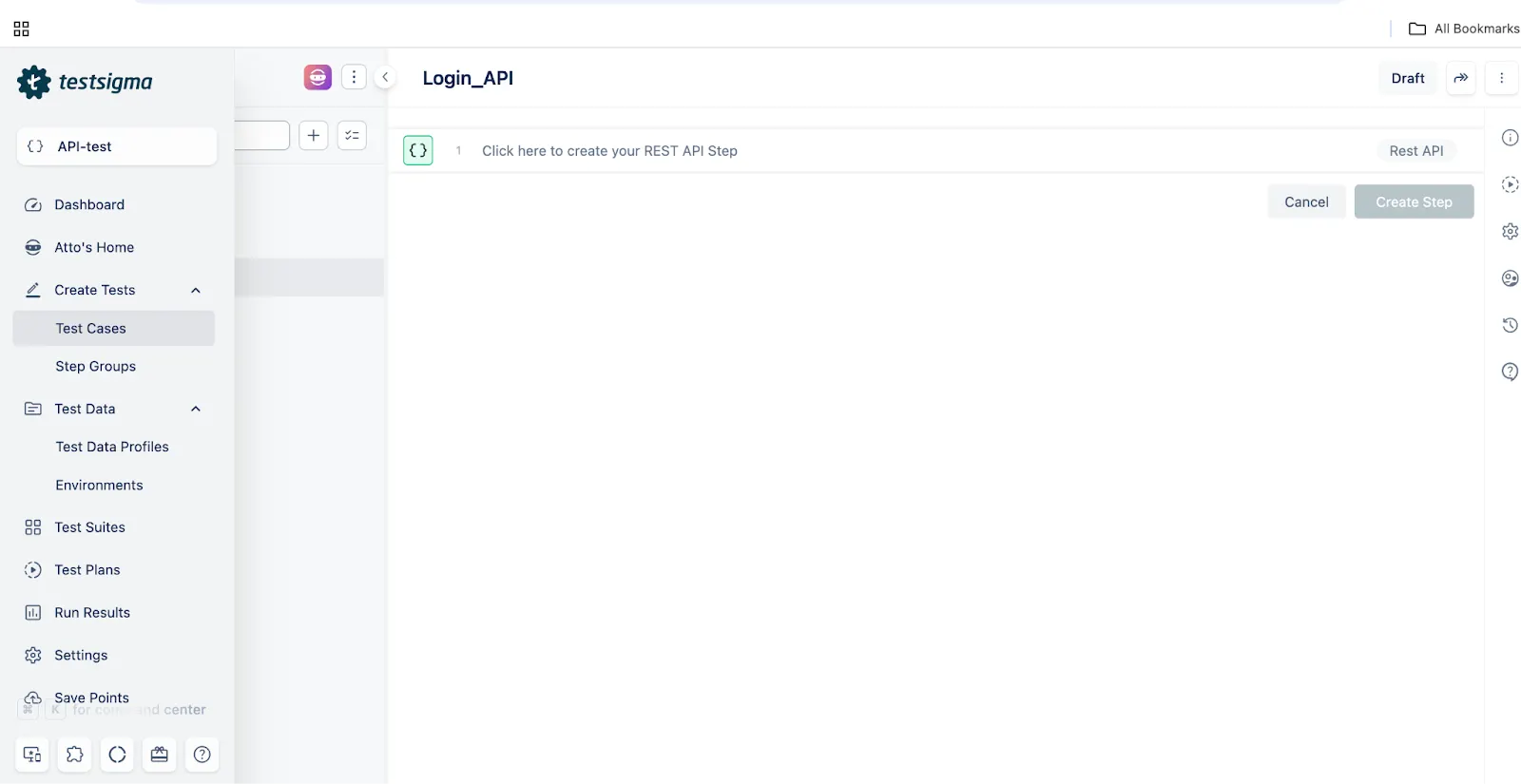
Testsigma is an AI-powered, agent-based test automation platform that makes API testing simple, fast, and scalable for teams of any size. Its no-code approach empowers users to create and manage API tests in plain English, eliminating the barrier of complex scripting. On top of API testing, Testsigma seamlessly unifies test automation for web, mobile, desktop, browser, and even enterprise business applications.
Pros:
No-code interface for quick test creation
Full support for all HTTP methods and advanced authentication
Self-healing tests and AI-driven maintenance
Data-driven testing and robust environment variables
CI/CD and workflow integration, with enterprise-level scalability
Cons:
Smaller projects with basic needs may find it more advanced than required
Primarily cloud-based with limited offline functionality
Pricing:
Free trial included. Pro and Enterprise plans available, tailored by usage and team size.
Bruno
Bruno is a lightweight, open-source API client focused on local-first, Git-friendly workflows. It stores collections as plain text using its custom markup, making API versioning, tracking, and collaboration easy for dev teams working with Git and source control. The platform is completely offline by default, appealing to users prioritizing privacy and speed.
Pros:
Open-source and fully offline functionality
Human-readable file storage for version control
Cross-platform use across Windows, macOS, and Linux
Minimalist, clutter-free UI
Cons:
No built-in cloud sync or live collaboration
Some advanced features (mock servers, automation) are not yet native
Pricing:
Core version is free and open-source. Pro features are available for extra automation and GUI enhancements.
Insomnia
Insomnia is a cross-platform, open-source API client offering powerful test automation for REST, GraphQL, gRPC, and WebSocket. It boasts a modern, intuitive UI with support for request chaining, mock servers, plugins, and collaborative workspace management. Advanced scripting and environment management provide flexibility for teams needing both automation and ease of use.
Pros:
Multi-protocol support for modern API stacks
Advanced scripting and reusable environments
Request chaining and real-time collaboration
Mock server support and flexible plugin ecosystem
Cons:
Some collaborative and scaling features require a paid plan
Plugin marketplace is smaller compared to more mature platforms
Pricing:
Free tier available. Pro and Enterprise versions enable enhanced collaboration, larger collections, and security features.
Apidog
Apidog is an all-in-one API design, testing, and automation platform catering to technical and non-technical users. Its low-code visual scenario builder makes complex flows, branching, and looping easy without any programming knowledge. Apidog also supports scheduled task execution, smart mock servers, and seamless CI/CD integration.
Pros:
Visual, low/no-code test creation for branching and data-driven testing
Robust automation and reporting features
Cloud, local, or hybrid deployment options
Smart mock server for flexible testing
Cons:
Some advanced workflow and collaboration features are restricted to paid tiers
Performance may vary with very large collections
Pricing:
Basic plan is free. Professional, Enterprise, and On-Premise versions scale by user count and project needs.
Hoppscotch
Hoppscotch is a fast, open-source web-based API client known for its minimalist UI and zero-login startup. Supporting REST, GraphQL, WebSocket, and MQTT, it covers most modern API requirements. Hoppscotch can be used as a regular web app, desktop PWA, or via CLI, offering a flexible and frictionless workflow for developers and small teams.
Pros:
Free with no registration required
Clean interface with fast setup and code generation
Multi-protocol support and local/offline usage
Self-hosting option for privacy-conscious teams
Cons:
Limited advanced testing and automation compared to enterprise tools
Smaller integration and plugin library than commercial platforms
Pricing:
Free for individuals and small teams. Paid plans available for organizations needing advanced features and support.
Making Your Final Choice
Selecting among these Postman alternatives involves weighing your current and future workflow needs. If enterprise-grade, AI-driven automation is a priority, Testsigma brings holistic control to API testing, web, and mobile projects. For developers who value privacy and Git-centric source control, Bruno and Hoppscotch stand out with their local-first designs. Insomnia and Apidog both offer rich collaborative, scripting, and automation features, fitting teams aiming for modular or visual automation at scale.
With each tool offering a unique approach, there’s no shortage of options for teams to upgrade and streamline their API testing toolset in 2025. Whether you’re a solo developer or managing a large QA division, choosing the right Postman alternative will help your team accelerate delivery cycles, ease maintenance, and ensure reliable API performance for years to come.
About the author
QA tester, tech enthusiast, and testing blogger who enjoys uncovering bugs and making apps run smoothly. I love learning new things, sharing testing tips, and connecting with fellow techies to help build better software together.
Comments
Join the discussionNo comments yet. Be the first to comment.
