The Ultimate Guide to Selecting a Test Management Platform in 2026
Keeping your quality assurance team productive depends heavily on choosing the right test management platform. With a market saturated by various solutions, making an informed decision is more vital than ever. This guide will help you navigate your options confidently and identify the platform that truly fits your team and project goals.
Understanding Test Management Platforms
A test management platform is a specialized tool designed to streamline software testing efforts. It brings together everything from test case creation and organization to execution, tracking, and reporting—giving teams a reliable, single location for all QA processes. Instead of juggling spreadsheets or siloed tools, teams benefit from the efficiency and transparency that a dedicated platform offers.
The Value of Test Management Systems
As software projects become more complex and delivery speeds increase, a dependable test management platform is critical. It centralizes testing assets, boosts collaboration, and ensures traceability for every requirement and defect. Teams can maintain test coverage, stay audit-ready, and respond quickly to any changes within their software development cycle.
Essential Features for Any Test Management Platform
When you’re evaluating platforms, look for these core features:
Centralized test case management for storing and organizing test assets
Integration with DevOps pipelines and source control
Customizable dashboards and automated reporting
Real-time team collaboration and role-based permissions
Secure audit trails and compliance support
Flexibility for both manual and automated testing
AI-powered features that accelerate and optimize testing workflows
Key Factors When Comparing Test Management Platforms
Before deciding, keep these criteria in mind:
Can the test management platform scale with your projects and team?
Does it provide an intuitive interface that suits everyone from testers to stakeholders?
Are integration options available for your existing development and QA tools?
How customizable are the reports and workflows?
Are security, permissions, and audit features robust enough for your needs?
What does the pricing and vendor support look like for the long term?
Top Test Management Platforms to Consider in 2026
1. Test Management by Testsigma
Pros:
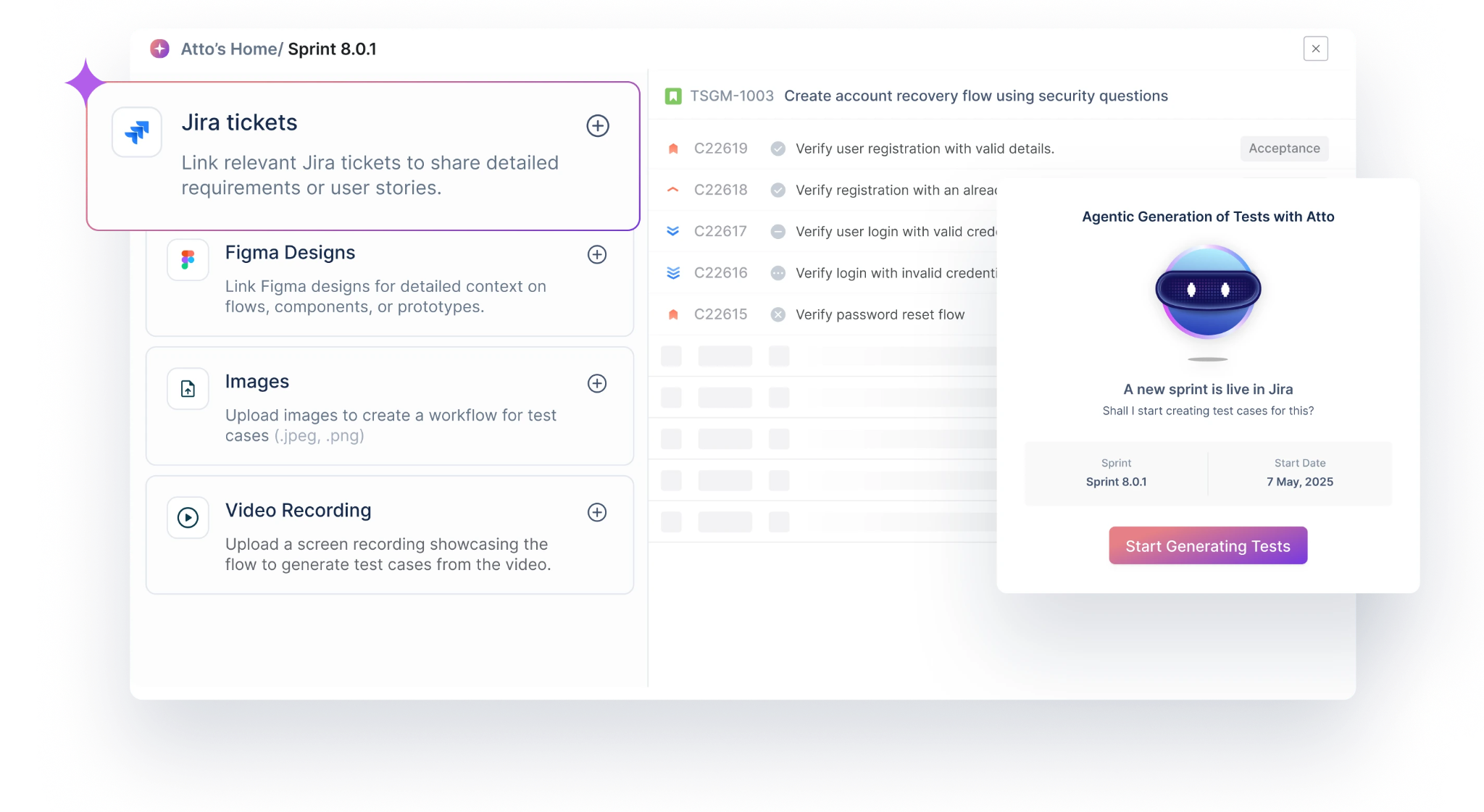
Harnesses AI for automating testing activities
User-friendly experience and fast onboarding
Extensive integrations and real-time collaboration features
2. Tuskr

Pros:
Simplifies complex test case management
Supports a wide range of integrations
Modern, intuitive interface
3. TestRail

Pros:
Detailed test tracking and comprehensive reporting
Flexible integration with popular CI/CD tools
Excellent for structured test management
4. PractiTest

Pros:
Fully customizable reporting and dashboard features
End-to-end traceability for requirements and defects
Suitable for regulated or compliance-focused teams
5. Xray for Jira
Pros:
Seamlessly leverages Jira for test management
Supports BDD, manual, and automation workflows
Strong traceability across projects
6. Zephyr

Pros:
Flexible and scalable for teams of all sizes
Intuitive dashboards with real-time metrics
Native Jira integration
7. Testmo

Pros:
Unified support for manual, automated, and exploratory testing
Fast, collaborative, and cloud-ready platform
Rich automation ecosystem
8. Kualitee

Pros:
AI enhancements for efficient management
Customizable structure supporting various methodologies
Simple interface with advanced analytics
9. Qase
Pros:
API-friendly for automation initiatives
Collaboration-centric workflow for distributed teams
Clean, modern UI
10. TestLink (Open Source)

Pros:
Cost-effective solution with a strong community
Centralized repository for test case management
Continuously evolving features
Test Management Platform Comparison Table
| Platform | Best For | Key Features | Pros | Limitations |
| Testsigma | AI-powered automation teams | AI agents, integrations, real-time collaboration | Fast onboarding Advanced automation Extensive integrations | Newer to market |
| Tuskr | Agile and dev teams | Cloud-based, Jira integration | Simple UI Low learning curve Flexible setup | Flatter reporting |
| TestRail | Large enterprises | Advanced test case organization | Customizable reports Scalable API access | Pricey at scale |
| PractiTest | Compliance-focused teams | End-to-end traceability, dashboards | Custom dashboards Great reporting Automated workflows | Can be complex |
| Xray for Jira | Jira-centric organizations | BDD, traceability, Jira embed | Native Jira integration Real-time metrics Automation support | Tied to Jira ecosystem |
| Zephyr | Enterprises, mixed workflows | Live tracking, Jira dashboard | Scalable Robust integration Intuitive dashboard | Limited outside Jira |
| Testmo | Modern unified QA | Unified manual/automation | Fast UI Collaborative Rich integrations | Limited advanced features |
| Kualitee | Growing agile teams | AI test case generation | Easy customization Role controls Supports agile/hybrid | Niche integrations |
| Qase | Distributed QA teams | Clean UI, API automation | Collaboration Fast execution API flexibility | Basic analytics |
| TestLink | Budget & open-source teams | Free, custom code, centralized repo | No license cost Community-driven Customizable | Requires tech expertise |
Quick-Glance Evaluation Checklist
Integration with current software development and QA tools
Scalability for expanding projects
Simple and intuitive user experience
Flexible reporting and customizable workflows
Strong security, access control, and compliance capabilities
Trial/demo options and responsive support from the vendor
Final Thoughts
Selecting a test management platform is a strategic step in futureproofing your QA processes and ensuring the consistent delivery of quality software. Prioritize your team’s primary needs, assess each candidate for long-term scalability, and always leverage trials to assess real-world fit before finalizing your decision. With the right platform, your team will be empowered to work efficiently, collaborate better, and maintain high standards across every release.
About the author
QA tester, tech enthusiast, and testing blogger who enjoys uncovering bugs and making apps run smoothly. I love learning new things, sharing testing tips, and connecting with fellow techies to help build better software together.
Comments
Join the discussionNo comments yet. Be the first to comment.
